Apalachicola Tours
Small-group walking tours through two centuries of cotton, cypress, and oysters on Florida’s Forgotten Coast.
A town the river built
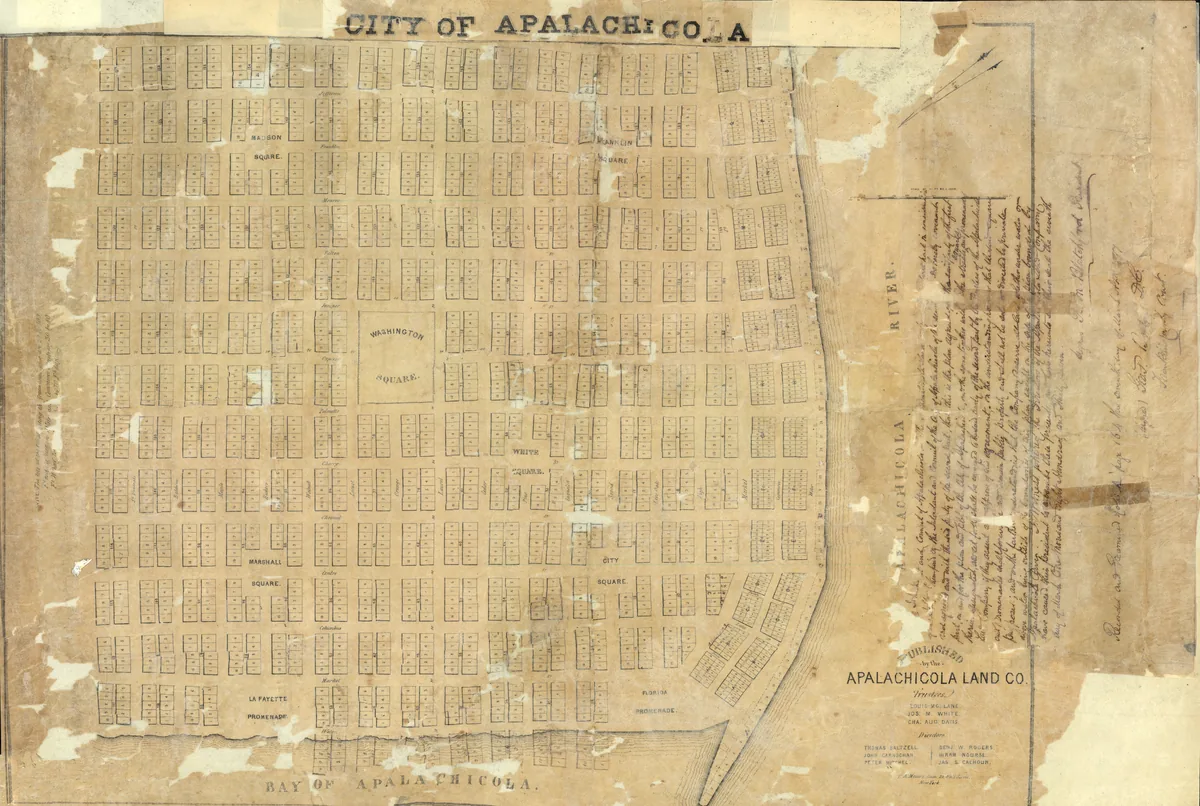
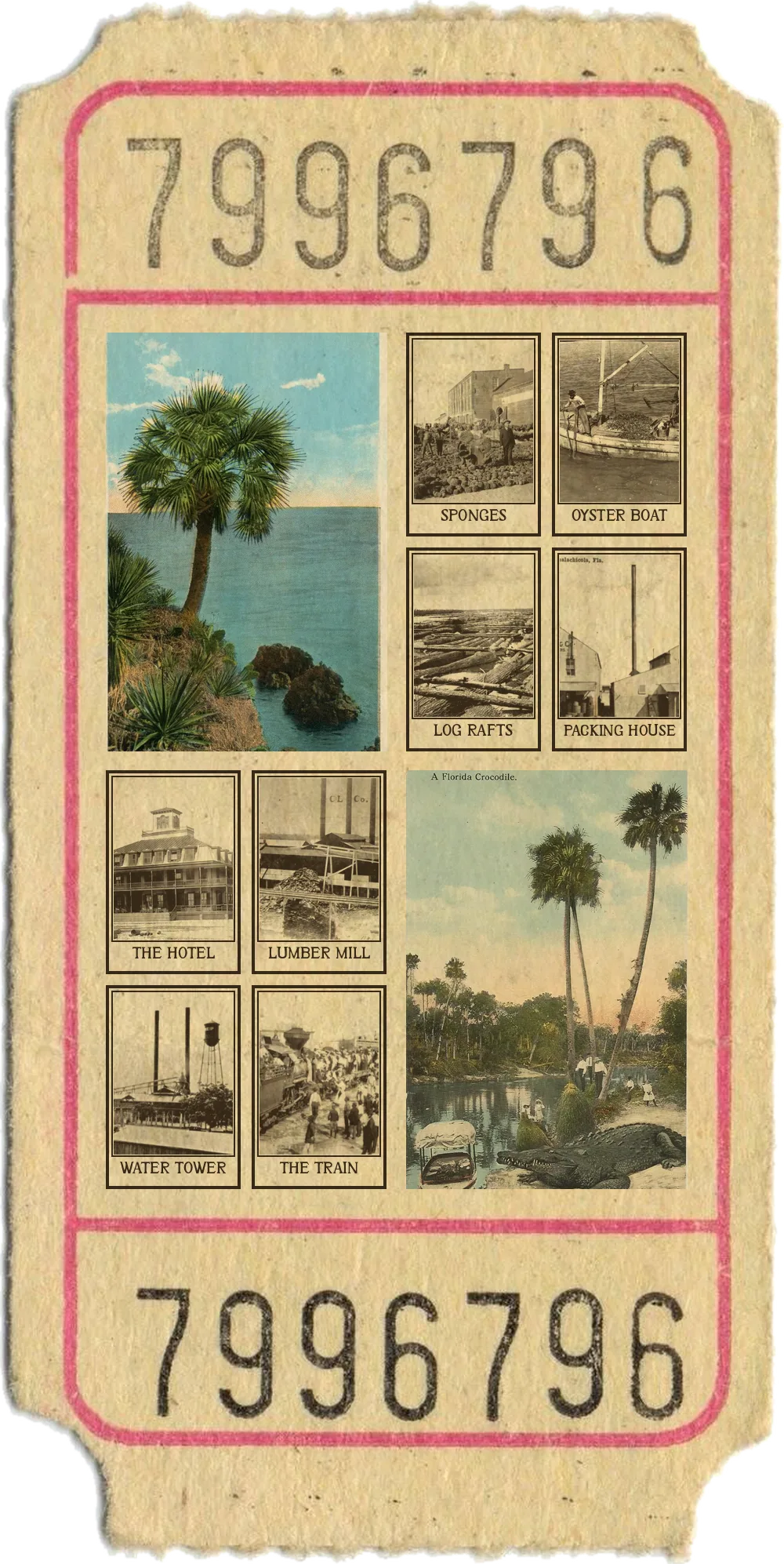
Laid out in the 1830s at the mouth of the Apalachicola River, the town was for a while the third-busiest cotton port on the Gulf. The cotton went, then the cypress, then the sponges; the oysters stayed. So did the street grid, the squares, the brick warehouses and the houses the merchants built. We walk you through them and tell you what happened in each.
Ninety minutes, fourteen stops
- Riverfront ParkWe meet at the plaques by the river, in the old cotton district.
- Sponge ExchangeWhere the sponge catch was sorted and sold, when Apalachicola was a sponge town.
- Dixie TheatreA 1912 picture house on Avenue E, restored and open again.
- Raney HouseA Greek Revival house of the 1830s, built for a cotton merchant.
- Chestnut Street CemeteryThe town’s oldest burial ground, in use since the 1830s.
- Chapman HouseHome of Dr. Alvan Chapman, the botanist of the Southern flora.
- Coombs HouseA lumber baron’s Victorian house, now an inn.
- Trinity ChurchBuilt in New York, shipped south by schooner and raised here in 1838.
- Gorrie MuseumDr. John Gorrie made ice to cool fever patients, and patented the machine in 1851.
- Fort Coombs ArmoryThe old brick armory of the town’s militia.
- Maritime MuseumBoats, the river trade and the working waterfront.
- Gibson InnThe 1907 hotel on the corner, still taking guests.
- Riverfront ParkBack along Market Street and Avenue D to where we started.
- Apalachicola Yacht ClubWe finish with a drink on the river, by the Maritime Museum.
The Historic District on Foot
The cotton port, square by square
- When
- Thursdaysat 5 PM
- Duration
- 90 minutes
- Price
- $20 per adult$10 per child
Ninety minutes through the 1830s street grid: cotton warehouses, the Sponge Exchange, Trinity Church, and the houses the river built.
Before you come
Where we meet
At the plaques in Riverfront Park, on Water Street at the foot of Avenue D. The walk comes back there and ends with a drink at the Apalachicola Yacht Club, on Water Street by the Maritime Museum; your confirmation repeats the time.
What to bring
Comfortable shoes, water, and a hat. Water Street is short on shade. Tours run rain or shine; we cancel only for lightning or a tropical storm, and refund in full.
Private walks
The walk can run privately for a family, a wedding party, or a school group, at a time that suits you. Ask about a date.